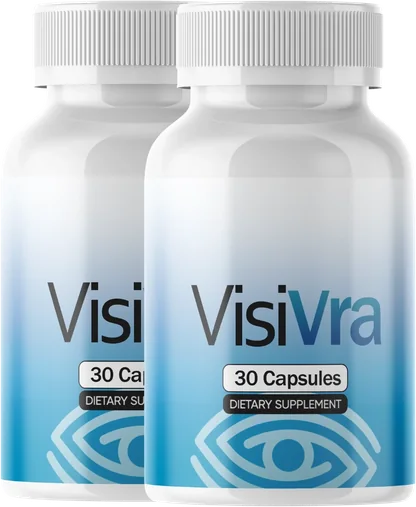
Visivra Capsules safety cannot be judged from the outside, because no ingredient amounts are printed on anything we saw and we have not seen a Supplement Facts panel 9. This site does not call the product safe or unsafe; that is a decision for you and your doctor or pharmacist.
What we can do is set out what public health sources say about each of the six named ingredients, explain why the missing amounts matter for zinc and vitamin A, list who should ask first, and show how to report a problem if one happens. Use it to prepare for that conversation, not to replace it.
Is Visivra Capsules safe?
We cannot answer "is Visivra Capsules safe" with a yes or no, and no one can without the amounts and forms on the panel. The right person to answer for you is a doctor or pharmacist who can read your bottle.
Three gaps stand in the way. First, the amount of each ingredient is not printed on anything we saw. Second, the forms are not stated, including whether the vitamin A is preformed or beta-carotene. Third, the other ingredients, capsule shell and maker are not listed.
None of that means there is a problem. It means a safety judgment has to start from your own bottle. Our Supplement Facts guide explains what to look for on the panel.
Why unknown amounts are the main safety question
Unknown amounts matter most for zinc and vitamin A, because both have adult upper limits that count every source you take. Without the panel, nobody can tell how close one capsule brings you.
NIH's Office of Dietary Supplements sets the adult upper limit for zinc at 40 mg a day from all sources, including foods, drinks, supplements and medicines 1. For preformed vitamin A, the adult upper limit is 3,000 mcg RAE a day from all sources 2.
If you take a multivitamin, an eye vitamin or zinc lozenges as well, those amounts add together. Once you can read the Visivra panel, write down the zinc and vitamin A lines from every product and ask a pharmacist to add them up. The dosage page lists common overlaps.
What sources say about each named ingredient
Public sources describe each named ingredient on its own; none of them has studied Visivra Capsules. Here is the safety side of what they say.
Zinc
ODS lists nausea, dizziness, headaches, upset stomach, vomiting and loss of appetite as signs of too much, and says too much over a long time can lower immunity, HDL cholesterol and copper 1. No copper is named in Visivra.
Vitamin A
ODS says too much preformed vitamin A can cause severe headache, blurred vision, nausea, dizziness, muscle aches and coordination problems, can cause birth defects in pregnancy, and that high-dose beta-carotene raises lung cancer risk in people who smoke or used to 2.
Lutein and zeaxanthin
Natural Medicines, via WebMD, says large long-term amounts of lutein can yellow the skin, which is harmless and reversible, and that its effects in pregnancy and its interactions are not fully known 3. Zeaxanthin has no separate source in our files.
Astaxanthin
Natural Medicines says it seems well tolerated but research on side effects is limited, and that it may cause allergic reactions, which can be serious 4.
Bilberry extract
NCCIH says fruit extracts up to 160 mg a day for up to 6 months have been used safely in research, but leaves may be unsafe at high doses or long-term use 5. Visivra does not say whether its extract is from fruit or leaf.
Safety concerns at a glance
This table lines up each concern with the ingredient behind it, the source and the next step. It is general guidance, not advice for your situation.
| Concern | Ingredient | Source | What to do |
|---|---|---|---|
| Going over the adult upper limit | Zinc, vitamin A | NIH ODS | Read the panel; add up all products with a pharmacist |
| Pregnancy and birth defects | Preformed vitamin A | NIH ODS | Ask your doctor before taking it |
| Lung cancer risk in smokers | Beta-carotene, if present | NIH ODS, NEI | Ask your doctor; form not stated |
| Low copper over time | Zinc | NIH ODS | Mention long-term zinc use at checkups |
| Allergic reaction | Astaxanthin | Natural Medicines | Ask first if you have allergy concerns |
| Leaf extract at high doses | Bilberry | NCCIH | Ask the order desk which part is used |
| Medicine interactions | Zinc, vitamin A, others | NIH ODS, NCCIH | Show the bottle to your pharmacist |
| Skin turning yellow-orange | Lutein, beta-carotene | Natural Medicines, NIH ODS | Harmless per sources; mention it to your doctor |
Why "natural" does not settle the question
A plant or food origin does not make a supplement free of risk. NCCIH says "natural" does not necessarily mean safe 6.
NCCIH also says supplement makers do not have to prove safety or effectiveness before sale, and it points to two practical risks: interactions with medicines, and contamination or ingredients that differ from the label. Several of the named ingredients in Visivra come from plants, algae or seafood, but that tells you nothing about the amounts, the forms or how the capsules were made.
Asking the order desk on +1 (302) 200-3480 for the certificate of analysis that matches your lot number is one way to see what testing the seller can show. Our legit check covers what else to look for.
Who checks supplement safety before sale?
No government agency approves supplements before they go on sale. FDA says the maker is responsible for making sure a supplement is safe and properly labeled, and that FDA acts after a product is on the market 7.
That means seller badges and seals are claims made by the seller, not findings by FDA. FDA also says supplements are not approved for safety and effectiveness before they are sold 8. We have not verified any badge shown for Visivra; our FDA status page explains what the rules do and do not cover.
Visivra Capsules safety checks before the first capsule
Five quick checks before the first capsule cover most of what you can control: the seal, the lot, the panel, your other products and your medicines.
- Seal and condition: if the bottle looks opened or damaged, do not use it; call the order desk.
- Lot and best-before: the owner pack says the bottle base may show both 9. Write them down in case you need to report a problem.
- Supplement Facts panel: read the serving size and the amount and form of each ingredient. FDA's labeling rules say the panel lists amount per serving and other ingredients 10.
- Other products: list every supplement that contains zinc or vitamin A.
- Medicines: list every prescription and over-the-counter medicine you take.
With those five things in hand, a pharmacist can answer the question "is Visivra Capsules safe to take with everything else I use?" for your situation, or tell you that something on the list needs your doctor first. Those checks are the core of Visivra Capsules safety from the buyer's side, since the product details we could confirm are so limited. For directions after that, see how to use it.
Who should talk to a doctor or pharmacist first
Some readers should ask before taking Visivra Capsules: anyone pregnant, trying to conceive or nursing, current or former smokers, people on regular medicines, and people already taking zinc or vitamin A.
- Anyone under 18: not for you, since the owner pack says adults 18+.
- Pregnant, trying or nursing: vitamin A form unknown.
- Current or former smokers, or asbestos exposure: possible beta-carotene.
- On acitretin, bexarotene or orlistat: vitamin A interactions.
- On quinolone or tetracycline antibiotics, penicillamine or thiazide diuretics: zinc interactions.
- Diagnosed eye condition: ask your eye doctor first.
The full list, with a checker, is on our who should not take it page, and medicine timing is on the interactions page.
How to report a problem
If you think a supplement caused a problem, stop taking it, call your doctor, and report it to FDA. ODS points readers to FDA's Safety Reporting Portal and the phone line 1-800-FDA-1088 11.
- Stop taking the capsules and keep the bottle.
- Call your doctor, or emergency services if symptoms are severe.
- Note the lot number and best-before date from the bottle base.
- Report to FDA through the Safety Reporting Portal or by phone.
- Tell the order desk on +1 (302) 200-3480, with your order ID.
Our side effects page lists which signs sources link to each named ingredient.
Frequently asked questions
Is Visivra Capsules safe to take every day long term?
We cannot say, and nothing we saw addresses long-term use. ODS says too much zinc over a long time can lower copper and HDL cholesterol, and the zinc amount is unknown. Ask your doctor about long-term use once you can read the panel, and mention it at checkups.
Has Visivra Capsules been safety tested by FDA?
No. FDA does not test or approve supplements before sale; makers are responsible for safety and labels. Any testing claim on a seller badge is unverified by us. Ask the order desk for the certificate of analysis for your lot.
Does Visivra Capsules list any safety warnings on the front of the bottle?
No. The front shows only the stylised name, "30 Capsules", "DIETARY SUPPLEMENT" and an eye graphic. We have not seen the back label, so check it for caution wording, and read our bottle label page for what the front does and does not show.
Is Visivra Capsules safe for people over 70?
We cannot make that call. Age alone is not on any warning list we saw, but older adults are more likely to take medicines and other supplements that overlap. Bring the bottle and your medicine list to a pharmacist before starting.
What safety records should I keep while taking Visivra Capsules?
Keep the bottle with its lot number and best-before date, your order email, and a list of every supplement and medicine you take. If a problem happens, those details let your doctor, the order desk and FDA, via the Safety Reporting Portal or 1-800-FDA-1088, trace exactly what you took.
Sources for this page
- NIH Office of Dietary Supplements: Zinc, Fact Sheet for Consumers
- NIH Office of Dietary Supplements: Vitamin A and Carotenoids, Fact Sheet for Consumers
- WebMD (Natural Medicines): Lutein overview, uses and safety
- WebMD (Natural Medicines): Astaxanthin overview, uses and safety
- NCCIH: Bilberry: Usefulness and Safety
- NCCIH: Safe Use of Complementary Health Products and Practices
- FDA: FDA 101: Dietary Supplements
- FDA: Facts about Dietary Supplements
- Buyvisivra owner pack (contacts, kits, prices, returns, refund steps, product summary)
- FDA: Dietary Supplement Labeling Guide (Supplement Facts panel, serving size, ingredient listing)
- NIH Office of Dietary Supplements: Dietary Supplements: What You Need to Know
Label words come from photos of the Visivra bottle front. The ingredient names, prices and guarantee details come from the owner pack, which summarises the seller sales page; the sales page itself did not load for us on Nov 25, 2026. No ingredient amounts are printed on anything we saw. Confirm them on your bottle and at checkout. Where sources differ, the printed label wins.