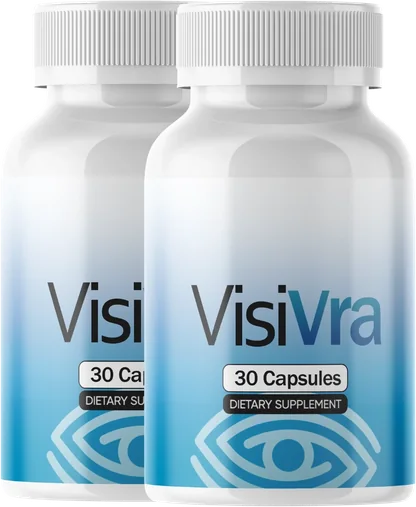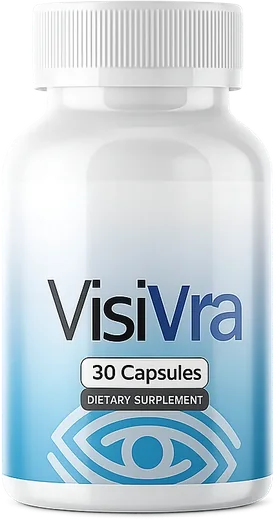
Visivra Capsules bilberry is the bilberry extract named third in the owner pack's ingredient list for the capsules; the amount, the plant part and the standardisation are not printed on anything we saw. Bilberry is a plant whose fruit and leaves are both used in supplements, and it has long been promoted for eyesight.
This page summarises what the National Center for Complementary and Integrative Health (NCCIH) says about bilberry: the weak and conflicting evidence, why the fruit and the leaf differ on safety, and who should ask first. It also explains what we cannot tell you about the extract in Visivra.
What is bilberry extract?
Bilberry extract is a concentrated preparation made from the bilberry plant, either from its fruit or from its leaves. The two parts have different safety profiles.
NCCIH says bilberry has traditionally been used and promoted for vision and eye conditions 1. The fruit is eaten as food, and fruit extracts have been studied in research. The leaves are a separate matter: NCCIH says they may be unsafe at high doses or with long-term use.
The owner pack lists "bilberry extract" with no amount and no detail on the part of the plant or how it is standardised 2. Our ingredient overview shows how bilberry sits among the six named ingredients.
What does NCCIH say about bilberry?
NCCIH says bilberry has not been clearly shown to help any health condition. That is the plainest summary of the evidence from a U.S. government source.
- Bilberry is traditionally used and promoted for vision and eye conditions.
- It has not been clearly shown to help any health condition.
- Night vision studies have produced conflicting findings, and much of the research was of poor quality.
- The most rigorous studies did not find bilberry effective for night vision in healthy people.
- Bilberry fruit is likely safe in food amounts.
- Fruit extracts up to 160 mg a day for up to six months have been used safely in research.
- Leaves may be unsafe at high doses or with long-term use.
- Little is known about bilberry in pregnancy and breastfeeding.
All points come from the NCCIH bilberry page 1. None of them is a finding about Visivra Capsules, which has not been studied in anything we saw.
Bilberry and night vision: what the studies found
The bilberry night vision story is mostly a story of weak studies. NCCIH says the research conflicts, much of it was poor quality, and the most rigorous studies found no night vision effect in healthy people.
That matters because night driving and dim-light seeing are among the most common reasons people look at bilberry. If a product page, an ad or a friend suggests bilberry will help you see in the dark, the best available research does not back that up.
Any change in how well you see at night is worth raising with an eye doctor, who can look for a cause. A supplement is not a substitute for an eye exam. If night driving has become harder, book an exam first; our eye exam page explains what to expect, and our eye conditions page lists signs that need prompt care.
Visivra Capsules bilberry extract: fruit or leaf?
The Visivra Capsules bilberry extract is not described as fruit or leaf anywhere we saw. Its amount and standardisation are not printed either.
This is not a small gap. NCCIH draws a line between the two parts: fruit extracts up to 160 mg a day for up to six months have been used safely in research, while leaves may be unsafe at high doses or with long-term use 1. Without knowing which part is used and how much, nobody can place Visivra against either statement.
A Supplement Facts panel should name each ingredient and its amount per serving, according to FDA's labelling guide 3. Check your bottle's panel for the words "fruit" or "leaf" and an amount. If the panel does not say, ask the order desk on +1 (302) 200-3480, and see our panel reading guide.
Bilberry at a glance
The table puts the NCCIH findings next to what is known about the bilberry in Visivra Capsules.
| Question | What NCCIH says | Visivra Capsules |
|---|---|---|
| Shown to help any health condition? | Not clearly | No study of the capsules seen |
| Night vision in healthy people? | Most rigorous studies found no effect | This site makes no such claim |
| Fruit extract safety in research | Up to 160 mg a day for up to six months used safely | Fruit or leaf not stated |
| Leaf safety | May be unsafe at high doses or long-term use | Fruit or leaf not stated |
| Amount | Not applicable | Not printed on anything we saw |
| Pregnancy and breastfeeding | Little is known | Ask a doctor first |
| Taking medicine? | Talk to your provider | Ask a doctor or pharmacist first |
Who should ask before taking bilberry?
NCCIH advises talking to a health care provider if you take any medicine, and says little is known about bilberry in pregnancy and breastfeeding 1.
Because Visivra Capsules also names zinc and vitamin A, the list of people who should ask first is longer than for bilberry alone:
- anyone pregnant, trying to conceive or nursing;
- current or former smokers, since the vitamin A form is not stated;
- anyone taking regular medicine, including antibiotics, diuretics, acitretin, bexarotene, orlistat or penicillamine;
- anyone already taking zinc, vitamin A, a multivitamin or another eye vitamin;
- anyone with a diagnosed eye condition.
NCCIH also reminds readers that "natural" does not mean safe and that supplements can interact with medicines 4. Our medicines page has the detail.
NIH ODS suggests telling every provider about all the supplements you take, and reporting any problem after taking a supplement to FDA through the Safety Reporting Portal or 1-800-FDA-1088 5. Keep the bottle and its lot number if you do.
Seller wording versus the evidence
The seller sales page uses "eye comfort", "visual clarity" and "screen-day support" language, according to the owner pack 6. The evidence on bilberry does not back those words, and this site does not repeat them as claims.
NCCIH's summary is that bilberry has not been clearly shown to help any condition. For screen days in particular, the American Academy of Ophthalmology says discomfort after screens is most likely digital eye strain from blinking less, that it does not cause lasting damage, and that breaks help: the 20-20-20 rule 7.
We report that gap rather than smoothing it over. Our claims guide looks at each seller phrase, and our evidence page sums up what can and cannot be said about Visivra Capsules as a whole.
Why single-ingredient research says little about a combination
Bilberry studies test bilberry, usually on its own and at a known amount. Visivra Capsules combines bilberry with five other named ingredients at unknown amounts, so those studies cannot describe it.
Even the research NCCIH calls safe, fruit extracts up to 160 mg a day for up to six months, was about a set dose of a known extract. A capsule that does not state its plant part, amount or standardisation cannot borrow that finding. The same goes the other way: the weak night vision studies say nothing specific about Visivra either.
What you can do is read your own bottle carefully. On the panel, look for three things next to bilberry:
- the plant part, written as fruit or leaf;
- the amount per serving;
- any standardisation note, such as a named compound and a figure.
Bring whatever you find to your pharmacist, together with any other supplements that list bilberry, so the totals can be checked.
How the capsules are taken
Seller copy gives one capsule a day with a meal that has some fat; follow the directions on your own bottle. The owner pack itself says to follow the label 2.
NCCIH does not give a meal rule for bilberry. The "some fat" wording fits other named ingredients, such as lutein and astaxanthin, rather than bilberry. Missed doses, storage temperature, capsule size, the best time of day and a maximum daily amount are not stated anywhere we saw.
At one capsule a day, a 30-capsule bottle lasts 30 days. If you plan to take Visivra for longer than a few months, mention the bilberry to your doctor, since the plant part and amount are unknown and NCCIH's safety note for fruit extracts covers up to six months. Our how-to-use guide has more.
Frequently asked questions
Is the bilberry in Visivra Capsules fruit or leaf extract?
That is not stated anywhere we saw. NCCIH separates the two on safety, so check your bottle's panel for the plant part and amount, or ask the order desk on +1 (302) 200-3480.
How much bilberry extract does Visivra Capsules contain?
No amount is printed on anything we saw. NCCIH says fruit extracts up to 160 mg a day for up to six months have been used safely in research, but we cannot compare Visivra with that figure.
Does the bilberry in Visivra Capsules help with driving at night?
This site makes no such claim. NCCIH says the most rigorous studies did not find bilberry effective for night vision in healthy people. If night driving has become harder, see an eye doctor, who can look for a cause.
Can I take Visivra Capsules bilberry while pregnant or nursing?
Ask your doctor first. NCCIH says little is known about bilberry in pregnancy and breastfeeding, and Visivra also names vitamin A, whose form and amount are not stated.
Does the Visivra Capsules bilberry extract interact with medicines?
NCCIH advises talking to a provider if you take any medicine. Visivra also names zinc and vitamin A, which have known interactions, so bring the bottle and a list of your medicines to your pharmacist before the first capsule.
Sources for this page
- NCCIH: Bilberry: Usefulness and Safety
- Buyvisivra owner pack (contacts, kits, prices, returns, refund steps, product summary)
- FDA: Dietary Supplement Labeling Guide (Supplement Facts panel, serving size, ingredient listing)
- NCCIH: Safe Use of Complementary Health Products and Practices
- NIH Office of Dietary Supplements: Dietary Supplements: What You Need to Know
- Visivra seller sales page, as summarised in the Buyvisivra owner pack (the page did not load for us on Nov 25, 2026)
- American Academy of Ophthalmology: Should You Be Worried About Blue Light?
Label words come from photos of the Visivra bottle front. The ingredient names, prices and guarantee details come from the owner pack, which summarises the seller sales page; the sales page itself did not load for us on Nov 25, 2026. No ingredient amounts are printed on anything we saw. Confirm them on your bottle and at checkout. Where sources differ, the printed label wins.